My story
It started with something completely ordinary: getting my nails done.
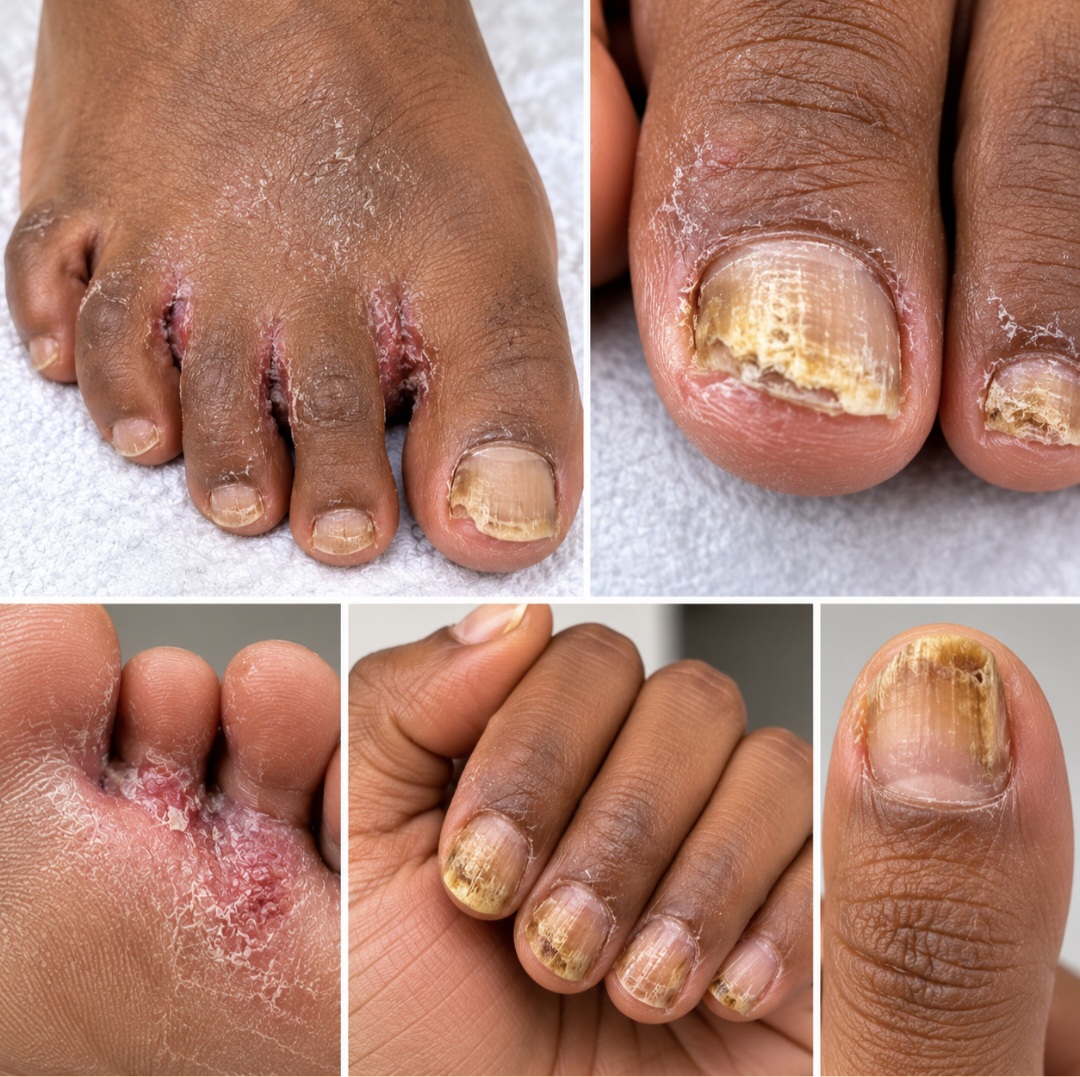
I was a newly independent adult, doing all the things that felt like normal adult life — getting my nails fixed regularly, like so many of us do. Somewhere along the way, I started noticing I'd scratch the skin close to my nails, and around my toenails too. The itch had this strange, almost satisfying pull to it — the kind that feels good in the moment you're scratching, and terrible after. I'd end up with open wounds and scars from it without even realizing how it happened.
For the first five years, I had no idea what I was actually dealing with. I assumed it was a normal nail infection — the kind you get a cream for and move on. I bought over-the-counter creams that never targeted the real issue, because I didn't know what the real issue was. I started suspecting it might be a reaction to the nail polish or the products used when getting my nails done, so I stopped getting my nails fixed altogether — though I kept polishing them myself at home.
Five years in, I finally went to see a dermatologist, hoping someone with real expertise would finally have an answer. I'd already done my own research by that point and tried more things than I can count. He gave me a cream and told me, honestly, that he'd need to look into it further. It helped — for a while. The scars would fade, the itching would calm down, and then it would come back again.
"That gap between 'it calmed down' and 'it actually stayed gone' is what this guide is built around."
Through all of it, I leaned on home remedies to get through the itching, because when it flares up, it can genuinely make you feel like you're losing your mind. A warm water soak with a mild antiseptic, ten to twenty minutes, then drying completely and applying an antifungal cream — that combination is what actually got me through the worst of it, again and again, for years, without ever fixing the underlying cycle.
What I didn't understand for most of that decade was why it kept returning even when treatment seemed to be working. It wasn't one thing. It was several, stacked on top of each other: not knowing what I was actually fighting, dirty socks and unwashed feet after contact with dirt, sensitive skin that made me more vulnerable than people around me, and sharing towels and pedicure tools without realizing what that was doing.
Once I understood all of that — not just the treatment, but the daily habits underneath it — everything changed. Breathable shoes instead of tight, trapped-heat ones. Antifungal powder to keep things dry throughout the day, not just cream when symptoms flared. Never walking barefoot in communal wet areas again. Patting dry with my own towel after every pedicure, applying cream before anything else touched my skin.
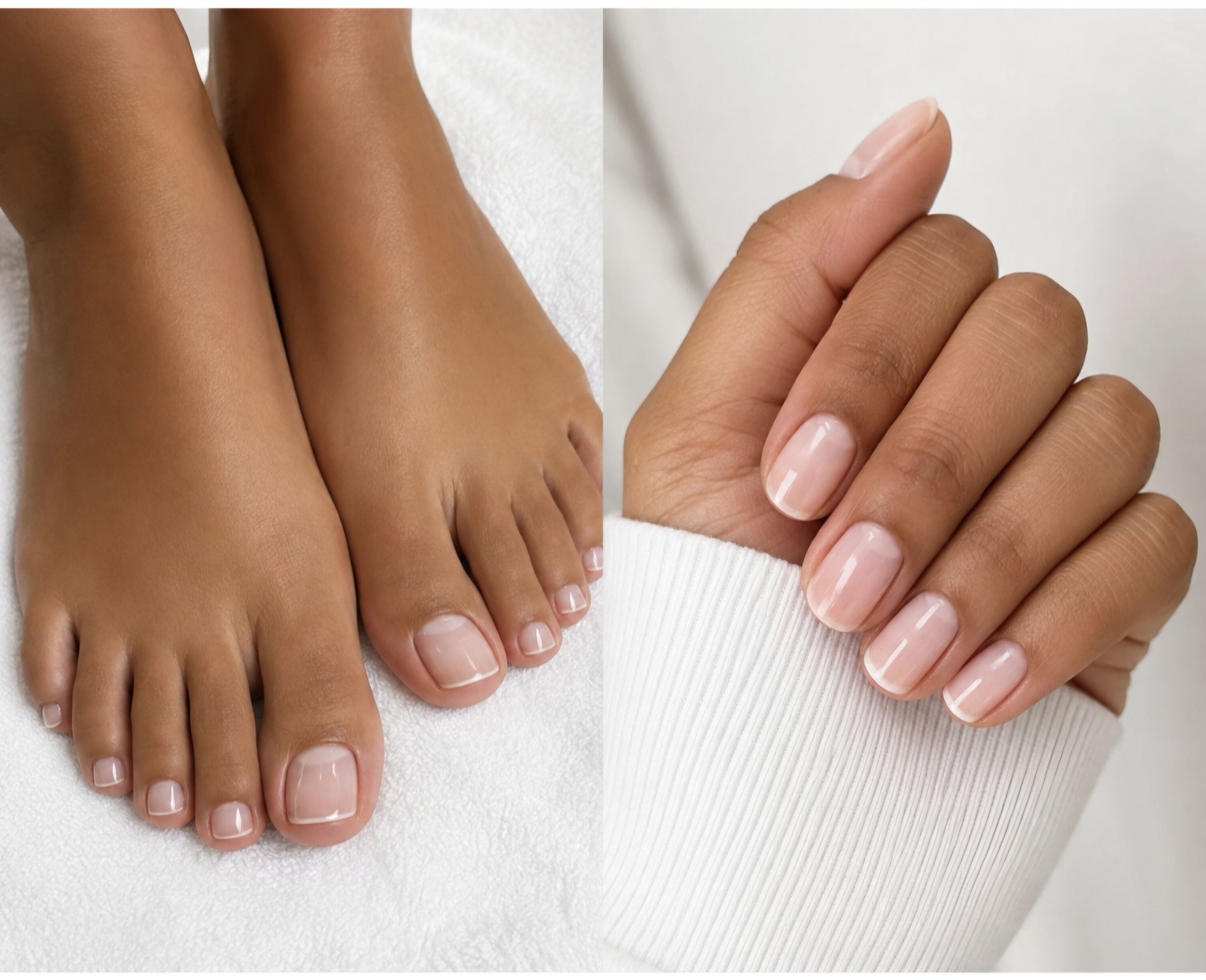
It's been over two years now. Clear. Not "better for a few weeks." Clear.
I'm not a doctor, and this guide isn't a replacement for one — especially if your case is severe, painful, or you have a condition like diabetes that changes how your body handles infection. But after more than ten years of trial and error — including five years of not even knowing what I was fighting — I found what actually worked.